

For most Americans, $700 is a car payment, a week's worth of groceries, or a modest night out. For some seniors, it's the sum total of their monthly existences. After a lifetime of work, some seniors live on a fixed Supplemental Security Income of exactly $994 per month — the federal maximum for 2026, adjusted for a 2.8% cost-of-living increase. After paying for medications and a bare-minimum grocery bill, some seniors have roughly $700 left to cover the most basic human need: a roof over their heads.
The arithmetic is brutal, and it is a calculation being performed by millions of older Americans in every corner of the country. For them, the question isn't about comfort or convenience. It is about survival.
The Arithmetic of Desperation
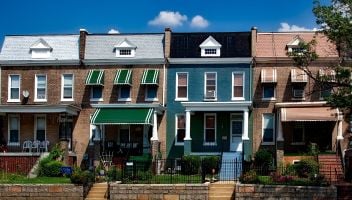
The math used to work, barely. But the country's median rent now sits at $1,487 per month. That amount would be equal to 150% of the total monthly income for a single older adult on SSI. Rents are under $1000 in the cheapest states such as Wyoming or South Dakota, yet take a large chunk out of fixed incomes even then. Housing experts look at whether people spend more than 30% of their income on rent and class them as "cost-burdened" if they do. On that measure, almost 1 in 3 for all households where someone is aged 65 or older are already experiencing crisis — a figure likely to rocket as the number of elder Americans increases by nearly two-thirds (71 million) over only five years.
Complete neglect of the market for housing means that all hope hangs on subsidized housing — in practice, often through one program or another like the Section 8 voucher which typically requires up to a third of income paid by tenants while government pays what remains. For a $994, that means shelling out approximately $298 to their landlord, an amount leaving space for food and medicine. This is a straight forward, practical remedy. But that solution is a mirage for most.
The Waiting: A Life Sentence in Limbo
Across the country, the waiting lists for these vouchers have become a purgatory for the elderly. In Riverside County, California, the housing authority stopped accepting new applications entirely because the Section 8 waitlist had swelled beyond 140,000 people — and the county only receives enough funding to assist about 9,000 families per year. At that pace, an applicant who gets on the list today could be waiting a decade or more, if they ever receive help at all.
Counting the Days, and the Dollars
There is no shelter in this math. For every dollar a senior spends on a market-rate apartment above their means, they are stealing that dollar from their healthcare, their utilities, or their food. The Joint Center for Housing Studies at Harvard reported in 2026 that 5.8 million older adults now live in cost-burdened households, spending over 30% of their income on rent. One in four eligible households in America receives any form of federal rental assistance at all; the rest are left to the mercy of a market that has long forgotten them.
As the cost of living climbs, the federal benefit rises only incrementally. Meanwhile, rent increases for new leases, though showing modest national declines, still far outpace the tiny cost-of-living adjustments given to the elderly. The result is a slow-motion financial strangulation.
In 2026, America faces a shortage not just of affordable housing, but of empathy. Until the arithmetic changes — until the funding matches the need — the nation's oldest and most vulnerable citizens will continue to pay the ultimate price: the slow erosion of their dignity, and the loss of their remaining years, spent waiting for a place to call home.